0. 알아보게 된 이유
도메인 모델을 설계할 때 객체를 단순히 클래스 단위로 나누는 것이 아니라 의미 있는 기준으로 나누어야 한다는 것을 알 수 있다.
하지만 실제로 설계를 하다보면 객체 하나만 존재하는 경우는 거의 없고 여러 개의 객체가 서로 관계를 가지면서 하나의 기능을 구성하게 된다.
이때 객체를 각각 따로 관리하면
- 일관성이 깨지고
- 상태 관리가 어려워지고
- 트랜잭션 범위가 커지고
- 코드가 복잡해짐
위와 같은 문제가 발생한다.
DDD에서는 이런 문제를 해결하기 위해 객체들을 하나의 단위로 묶어서 관리하는 개념을 사용하는데 그 개념이 바로 Aggregate다.
이번 글에서는
Aggregate란 무엇인가- 왜 필요한가
Aggregate Root는 무엇인가- 어떤 기준으로 묶어야 하는가
를 중심으로 정리해 보려고 한다.
1. Aggregate 란?
Aggregate는 관련된 Entity와 Value Object를 하나의 단위로 묶은 것이다.
이 단위에서는 데이터의 일관성이 반드니 유지되어야 한다. 즉,
1
일관성을 유지해야 하는 객체들의 집합
이라고 볼 수 있다.
DDD에서는
- 객체를 개별로 관리하지 않고.
Aggregate단위로 관리한다.
그리고 외부에서는 Aggregate 내부 객체에 직접 접근하지 않는다.
2. 왜 Aggregate가 필요한가
객체를 자유롭게 참조하게 설계를 하면 문제가 발생한다. 모든 객체가 서로 참조하게 되면
- 변경 영향 범위가 커지고
- 트랜잭션이 커지고
- 버그 발생 가능성이 높아진다.
또한 상태 일관성을 유지하기 어려워진다. 예시로 주문 상태는 cancel이지만 결제 상태는 success인 상태로 존재하는 상태 일관성이 달라지는 문제가 발생할 수 있다.
이를 막기 위해
1
일관성을 유지해야 하는 범위를 하나로 묶는다.
이것이 Aggregate다.
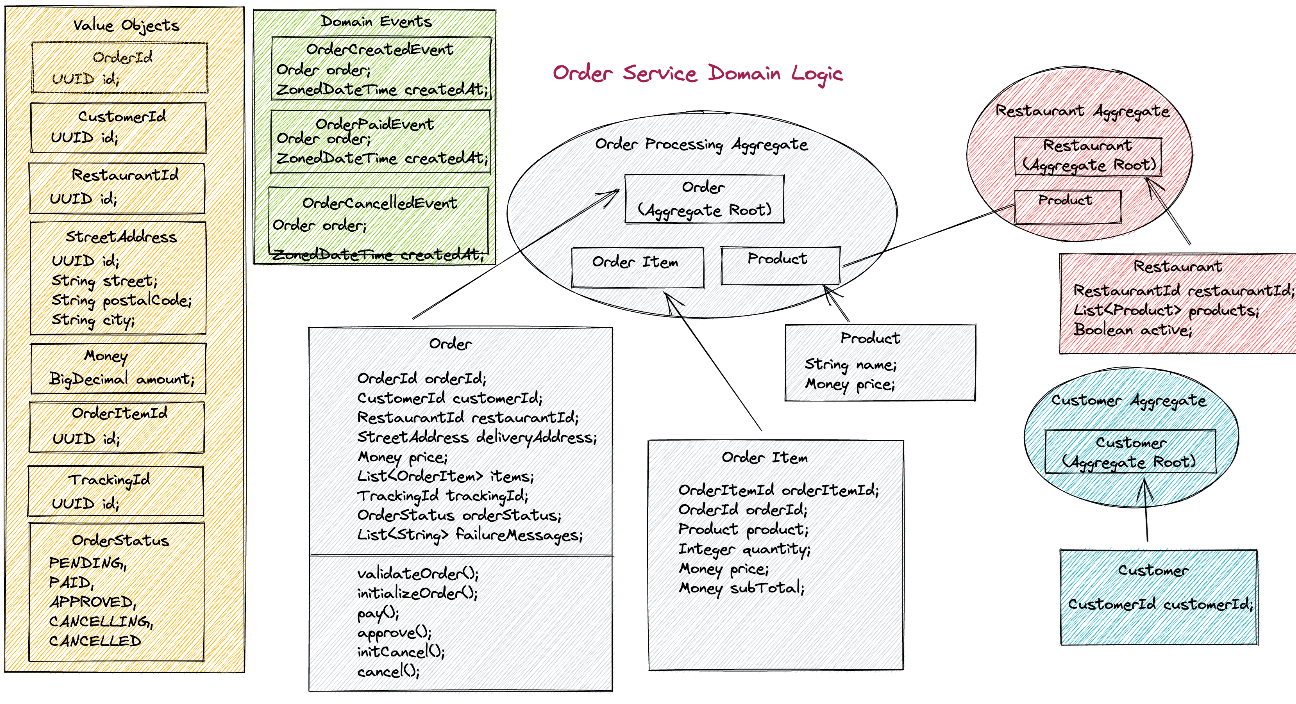
3. Aggregate Root
Aggregate에는 반드시 Root가 존재한다. Root는 Aggregate의 대표 객체이다. 외부에서는 Root를 통해서만 접근 할 수 있다.
- 예시
Order(Aggregate Root)OrderItemProductMoney
위와 같이 구성되어 있을때 외부에서 접근할때에는 Order객체를 통해서만 소통을 해야한다.즉, 직접적으로 OrderItem 객체나 Product객체에 접근해서 동작을 하면 안된다.
위와 같은 구조에서는 외부에서 Aggregate 내부 요소에 직접 접근하지 않고, 반드시 Order를 통해서만 상호작용해야 한다.
즉, OrderItem이나 Product에 직접 접근하여 상태를 변경하거나 비즈니스 로직을 수행하는 방식은 지양해야 한다. 아래 예시 코드와 같이 Order가 Aggregate Root로서 내부 객체를 관리하고, 외부 요청 역시 Order를 통해 처리되어야 한다.
1
2
3
4
5
6
7
8
9
10
11
12
13
14
15
16
17
18
19
20
21
22
23
24
25
26
27
28
29
30
31
32
33
34
35
36
37
38
39
40
41
42
43
44
45
46
47
48
49
50
51
52
53
54
55
56
57
58
59
60
61
62
63
64
65
66
67
68
69
70
71
72
73
74
75
76
77
78
79
80
81
82
83
84
85
86
87
88
89
90
91
92
93
94
95
96
97
98
99
100
101
102
103
104
105
106
107
108
109
110
111
112
113
114
public class Order extends AggregateRoot<OrderId> {

    private final CustomerId customerId;
    private final RestaurantId restaurantId;
    private final StreetAddress deliveryAddress;
    private final Money price;
    private final List<OrderItem> items;

    private TrackingId trackingId;
    private OrderStatus orderStatus;
    private List<String> failureMessages;

    public void initializeOrder() {
        setId(new OrderId(UUID.randomUUID()));
        trackingId = new TrackingId(UUID.randomUUID());
        orderStatus = OrderStatus.PENDING;
        initializeOrderItems();
    }

    public void validateOrder() {
        validateInitialOrder();
        validateTotalPrice();
        validateItemsPrice();
    }

    public void pay() {
        if (orderStatus != OrderStatus.PENDING) {
            throw new OrderDomainException("Order is not in correct state for pay operation");
        }
        orderStatus = OrderStatus.PAID;
    }

    public void approve() {
        if (orderStatus != OrderStatus.PAID) {
            throw new OrderDomainException("Order is not in correct state for approve operation");
        }
        orderStatus = OrderStatus.APPROVED;
    }

    public void initCancel(List<String> failureMessages) {
        if (orderStatus != OrderStatus.PAID) {
            throw new OrderDomainException("Order is not in correct state for initCancel operation");
        }
        orderStatus = OrderStatus.CANCELLING;
        updateFailureMessages(failureMessages);
    }

    public void cancel(List<String> failureMessages) {
        if (!(orderStatus == OrderStatus.CANCELLING || orderStatus == OrderStatus.PENDING)) {
            throw new OrderDomainException("Order is not in correct state for cancel operation");
        }
        orderStatus = OrderStatus.CANCELLED;
        updateFailureMessages(failureMessages);
    }

    private void updateFailureMessages(List<String> failureMessages) {
        if (this.failureMessages != null && failureMessages != null) {
            this.failureMessages.addAll(
                    failureMessages.stream()
                            .filter(message -> !message.isEmpty())
                            .toList()
            );
        }
        if (this.failureMessages == null) {
            this.failureMessages = failureMessages;
        }
    }

    private void validateInitialOrder() {
        if (orderStatus != null || getId() != null) {
            throw new OrderDomainException("Order is not in correct state for initialization!");
        }
    }

    private void validateTotalPrice() {
        if (price == null || price.isGreaterThanZero()) {
            throw new OrderDomainException("Total price must be greater than zero!");
        }
    }

    private void validateItemsPrice() {
        Money orderItemsTotal = items.stream().map(orderItem -> {
            validateItemPrice(orderItem);
            return orderItem.getSubTotal();
        }).reduce(Money.ZERO, Money::add);
        if (!price.equals(orderItemsTotal)) {
            throw new OrderDomainException(
                    "Total price: " +
                            price.getAmount() +
                            "is not equal to Order items total: " +
                            orderItemsTotal.getAmount() +
                            "!"
            );
        }
    }

    private void validateItemPrice(OrderItem orderItem) {
        if (!orderItem.isPriceValid()) {
            throw new OrderDomainException(
                    "Order item price: " +
                            orderItem.getPrice().getAmount() +
                            "is not valid for product " +
                            orderItem.getProduct().getId().getValue()
            );
        }
    }

    private void initializeOrderItems() {
        long itemId = 1;
        for (OrderItem orderItem : items) {
            orderItem.initializeOrderItem(super.getId(), new OrderItemId(itemId++));
        }
    }
}
위와 같이 내부 객체를 조작하는 메소드를 작성하여 Aggregate Root를 통해서만 내부 Aggregate를 변경해야한다.
4. Aggregate 설계 규칙
DDD에서 자주 말하는 규칙은 아래와 같다.
Aggregate Root만 외부에 공개- 내부 객체 직접 수정 금지
Aggregate단위로 저장Aggregate단위로 트랜잭션Aggregate간 직접 참조 최소화
즉, 좋은 설계 기준은
1
한번에 일관성을 유지해야 하는 범위를 Aggregate로 지정
이다.
5. 정리
Aggregate는 관련된 Entity와 Value Object를 묶어서 일관성을 유지하는 단위이고 DDD에서는 객체를 개별로 관리하지 않고 Aggregate 단위로 관리한다.
Aggregate단위를 잘 나누면
- 변경 영향 범위가 줄고
- 트랜잭션이 단순해지고
- 코드 이해가 쉬워지고
- 유지 보수가 쉬워진다
즉, 좋은 도메인 설계는
1
어디까지를 하나로 묶어야 하는가
를 결정하는 것에서 시작된다.
6. 다음에 알아볼 내용
Aggregate를 기준으로 모델을 나누었다면,
이제 다음으로 고민해야 할 것은 비즈니스 로직을 어디에 위치시킬 것인지이다.
실무에서는 하나의 Aggregate 내부에서만 처리할 수 없는 로직이 자주 등장한다.
여러 개의 Aggregate가 함께 동작해야 하는 경우도 있고,
도메인 규칙이지만 특정 객체에 귀속시키기 어려운 로직도 존재한다.
DDD에서는 이러한 로직을 다음과 같이 구분해서 배치한다.
Entity내부에 둘 것인지Domain Service에 둘 것인지Application Service에 둘 것인지
이 구분을 명확하게 하지 않으면
로직이 한 곳에 몰리거나, 반대로 여러 곳에 흩어져서
모델의 의미가 흐려지고 유지보수가 어려워진다.
다음 글에서는
Domain Service와 Application Service의 차이를 중심으로
각 계층에 어떤 책임을 두어야 하는지 정리해보려고 한다.